Skip to content
Button Mash Bay

Questions (FAQ)Contact the editorshello@buttonmashbay.co.uk

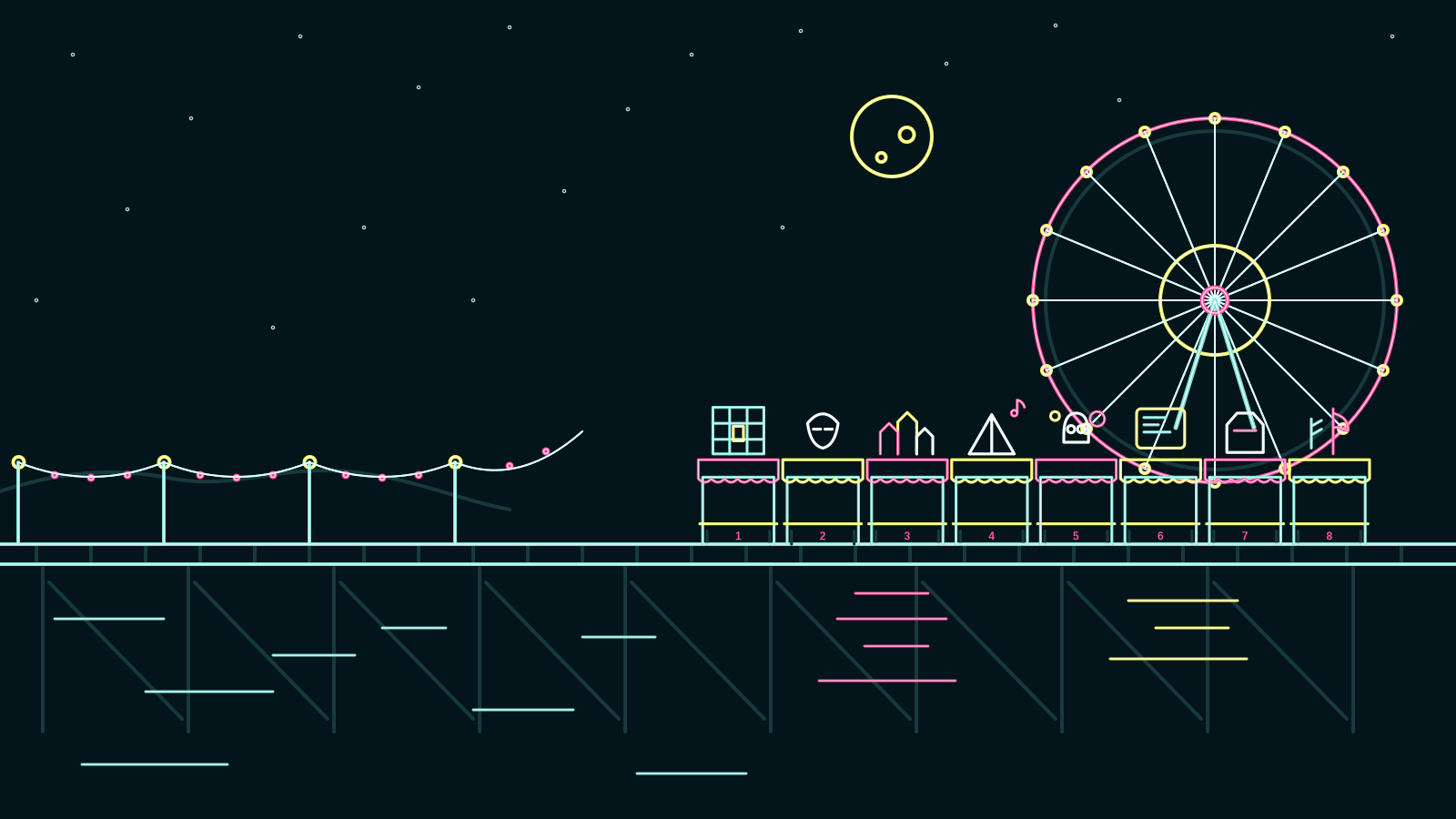
Illustration: a seaside pier at night stretching over dark water, lined with eight lit stalls, each decorated with a motif from one of the reviewed games, and a big wheel glowing at the far end.

Eight indie games we finished, ranked by lamplight

A small independent UK crew played every game to its ending. No adverts, no trackers, no bought places, and each review counts the cost in hours and pounds.

  • 08games seen through to the credits
  • 0adverts on the boards
  • 0trackers watching you
  • 0paid spots in the ranking
  • £0to walk the pier, no login
  • 1week planner with no memory

Button Mash Bay is an independent review site run from Britain. Each game is played to its credits before a word goes down, and each review covers the activity, the player it fits, a sensible bedtime stopping point and the full bill. This season’s eight stretch from a mansion that redraws itself to a robot tournament in the rain.

Free, start to finish.Read every page without signing up, subscribing or paying a penny. Nothing here is advertising, and no one has bought their way in.

No games on the pier.You cannot download, stream or buy a game from us. Each Official site button leads to the studio or publisher behind it.

Pictures we drew.Covers and scenes are our own illustrations, not official artwork. Titles and trademarks stay with the companies that own them.

The Pier Lights

Eight games, ranked from the brightest down

We played each one to its ending before writing a line. The order follows the score; the full review, the facts and the real costs for every game are further along the pier.

  1. 1Blue Prince4.7/5
    Headliner
  2. 2Sable4.5/5
    Headliner
  3. 3Townscaper4.4/5
    Big Wheel
  4. 4Snufkin: Melody of Moominvalley4.2/5
    Big Wheel
  5. 5GoNNER24.0/5
    Big Wheel
  6. 6Routine3.9/5
    Arcade Hall
  7. 7Wolfstride3.7/5
    Arcade Hall
  8. 8Regions of Ruin: Runegate3.4/5
    End of the Pier
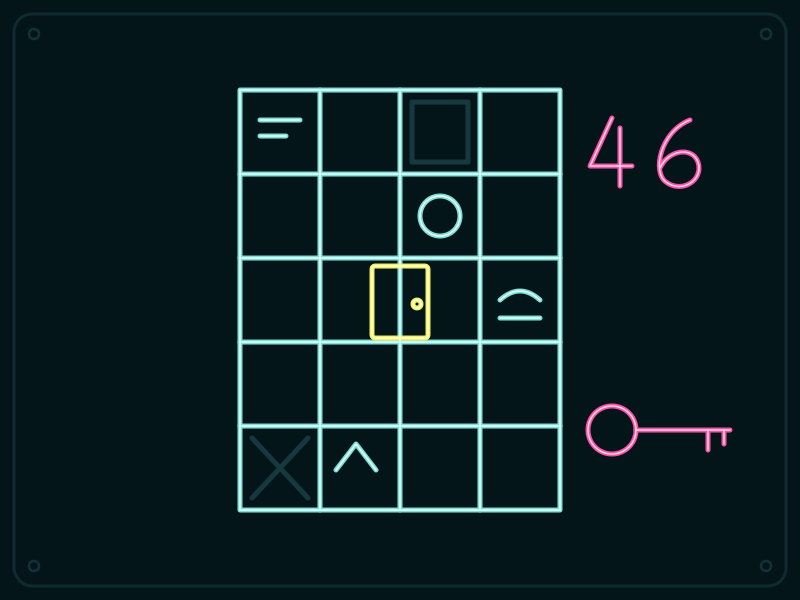
Original illustration: a manor floor plan drawn as a white-on-blue blueprint, one doorway glowing gold.

Number 1 of 8Blue Prince

4.7out of 5

Headliner

A mansion that redraws itself every morning, and the cleverest puzzle box we opened all year.

You inherit Mount Holly on one condition: find Room 46 in a house that officially has 45. Each time you open a door, you choose which room lies behind it from a small hand of options, so you are drafting the floor plan as you go. Steps run out, the day ends and the house resets at dawn, keeping only the handful of permanent upgrades you managed to earn.

That loop sounds cruel and plays generous. Every dead end teaches you something about the place, whether that is a code on a painting, a note about the family or a room that only pays off next to another. The story of the estate, with its blackmail letters and a vanished children’s author, leaks out sideways through the clues. It does ask for a notebook and a lot of patience, and an unlucky draft can waste a morning, but the moment a theory clicks is as good as puzzle games get.

Ticket stub: Blue Prince

What you do
Open doors, pick each new room from a short draw, gather keys, gems and clues, and push a little deeper into the manor before your steps run out.
Who it suits
People who keep a pad of paper next to puzzle games and enjoy slow, layered mysteries. Not for anyone who hates repeating a day to make progress.
Plays on
Windows and Mac through Steam, plus PlayStation 5, Xbox Series X|S and Nintendo Switch 2.
Session
Solo. Quiet, absorbing and thoughtful; easy to sink three hours into without noticing, so set a stop time before you sit down.
Checkpoint
Dawn, when your steps run out and the house resets. Write down anything you learned, then stop: the next day starts with a fresh house anyway.
Costs
Bought once. Steam also sells the soundtrack on its own; inside the game there is nothing to buy.
Age
Store listings showed PEGI 7 with a fear descriptor when we checked. Confirm on pegi.info or your store before buying for a child.
Official site: the official Blue Prince site, opens in a new tab
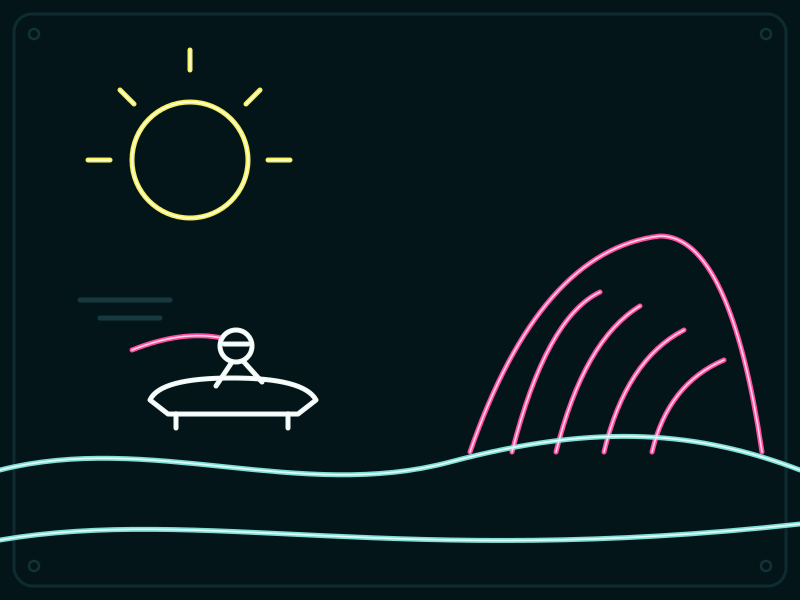
Original illustration: a lone rider on a hoverbike crossing pale dunes towards the ribs of a huge wrecked ship under a coral sky.

Number 2 of 8Sable

4.5out of 5

Headliner

A walk across a painted desert with nobody checking your homework.

Sable leaves her clan for the Gliding, the journey every young person in her world takes before choosing a mask and a place in life. You set off on a hoverbike you build yourself and cross a vast desert dotted with nomad camps, buried cities and the hulls of crashed ships. There is no combat at all. You climb, glide, talk to strangers and take on small jobs, and each finished task earns a badge that can be traded for a new mask.

The London studio drew the whole world in flat colour with fine ink lines, and in motion it looks like a comic book with the lights changing. Japanese Breakfast wrote the music, which arrives at exactly the right moments. Climbing can be fiddly and the frame rate stutters in busy places, but neither ever stops the feeling of being somewhere new. Few games trust you this much to set your own pace.

Ticket stub: Sable

What you do
Ride, climb and glide across an open desert, meet nomads, help them with small errands and choose which mask to wear when your journey ends.
Who it suits
Anyone who enjoys exploring for its own sake and likes a story told through places rather than cut-scenes. Players who need goals every few minutes may drift.
Plays on
Windows through Steam, Xbox One, Xbox Series X|S and PlayStation 5.
Session
Solo. Calm and unhurried with no fighting, so it suits a gentle evening slot better than most games here.
Checkpoint
After you hand in a badge or reach a new camp. The map and your journal keep track of everything, so it is easy to pick up later.
Costs
A single payment. When we looked, Steam offered no paid add-ons, and the game has no shop.
Age
We could not confirm the rating from an official listing, so check pegi.info or your store. There is no combat anywhere in it.
Official site: Raw Fury’s Sable page, opens in a new tab
Original illustration: a cluster of brightly painted harbour houses with arches and stairs rising straight out of calm water.

Number 3 of 8Townscaper

4.4out of 5

Big Wheel

Click the sea, get a harbour town. There is no score, and that is the joy of it.

Townscaper is closer to a box of building blocks than a game. You pick a colour, click on an irregular grid floating on open water and a house appears. Click again beside it or on top of it and the software works out what should be there: arches where a gap needs bridging, stairs between levels, little gardens on flat roofs, gulls landing on the ridges. Within minutes you have a fishing village; within an hour, a town on stilts.

Oskar Stålberg built the rules that decide each shape, and the way they react to your clicks never stops being a small delight. There are no missions, no money and no way to fail, which is the whole point. If you want goals it will feel thin after an evening. If you want twenty quiet minutes that end with something pretty, nothing on this pier does it better.

Ticket stub: Townscaper

What you do
Place and remove coloured blocks on the water while the game shapes them into houses, bridges, towers and courtyards around you.
Who it suits
Anyone who wants to unwind without pressure, young children building alongside a grown-up, and people who like making something to screenshot.
Plays on
Windows, Mac, Nintendo Switch, Xbox One, Xbox Series X|S, iPhone and iPad, and Android.
Session
Solo. As calm as games get. No timer, no fail state, no sound you need to hear.
Checkpoint
Whenever a town looks finished to you. Save it, take a picture if you like, and close the lid.
Costs
One purchase on every platform, phones included. We found no extras for sale and no in-game purchases.
Age
Store listings showed PEGI 3 when we checked. Confirm on pegi.info. There is nothing in it but houses, sea and birds.
Official site: the official Townscaper site, opens in a new tab
Original illustration: a small tent beside a moonlit river, a lantern glowing on the bank and music notes drifting over pine trees.

Number 4 of 8Snufkin: Melody of Moominvalley

4.2out of 5

Big Wheel

An evening river walk with a harmonica, and the gentlest game in this line-up.

Snufkin comes home to Moominvalley after the winter and finds someone has fenced it in. Parks with strict rules have appeared, and the wanderer’s answer is to tiptoe past the wardens, tug the signs out of the ground and let the valley grow wild again. The harmonica does most of the work: tunes calm nervous creatures, lure others and open small musical puzzles, and you meet a long list of familiar faces along the way.

The Norwegian studio paints every scene like a page from a picture book, soft greens by day and deep blues at night, and the score, made with Sigur Rós, carries whole chapters. Sneaking sections are forgiving and never long. The puzzles stay simple, so seasoned players will find little resistance, but that suits a game this kind. Play it slowly, with the sound up.

Ticket stub: Snufkin: Melody of Moominvalley

What you do
Wander the valley, play tunes to charm creatures and solve puzzles, sneak past park wardens and pull up the rules signs to free each area.
Who it suits
Moomin readers of any age, families playing together, and anyone who wants a short, warm story rather than a challenge.
Plays on
PlayStation 5, Xbox Series X|S, Nintendo Switch, Windows and Mac, plus iOS and Android phones.
Session
Solo. Soft and slow, one of the few games on this pier we would happily play in the last hour before bed.
Checkpoint
When a park has been undone and its chapter wraps up. The game saves often, so any quiet campsite works too.
Costs
Paid once. On phones the opening chapter is free and one payment unlocks the rest. Paid extras on Steam: a small story chapter, a cosmetic pack, the soundtrack and an artbook. There is no shop inside the game.
Age
Shop listings gave it PEGI 3 when we looked. Double-check on pegi.info before buying for a little one.
Official site: the official Snufkin site, opens in a new tab
Original illustration: a tiny skull-headed creature leaping across black space while splashes of hot pink, yellow and cyan paint burst around it.

Number 5 of 8GoNNER2

4.0out of 5

Big Wheel

A paint bomb of a shooter that is far harder than its cute hero suggests.

Ikk is a small creature with no head of his own, which is a problem when Death asks him to clear something nasty out of her house. Each run you pick a head, a gun and a backpack, then hop and shoot through levels that are generated fresh every time. The world is black until things move, and everything you hit bursts into splashes of colour, so the screen paints itself as you play.

Swapping parts changes how you play more than most games in the genre manage, and the bosses are big, odd and memorable. The difficulty is steep, though, and the abstract look can make it hard to see what just killed you. Up to four players can share one screen, which turns the chaos into a party. Give it a few runs before you judge it; it opens up once you learn to read the colour.

Ticket stub: GoNNER2

What you do
Choose a head, weapon and backpack, then jump and shoot through randomly built levels, bank currency and unlock new parts between runs.
Who it suits
Players who enjoy tough, twitchy roguelikes and short attempts. Skip it if fast reflex games stress you rather than wake you up.
Plays on
Windows, Mac and Linux, Nintendo Switch, PlayStation 4, Xbox One and Xbox Series X|S.
Session
Solo, or one to four players on one screen in co-op or versus; on PC, Steam Remote Play Together lets friends join online. Loud, fast and bright.
Checkpoint
Back at the hub after a run. Runs are short: decide how many you will play before you start, and stop at that number.
Costs
Pay once and every head and gun is earned by playing. Only the music is sold separately.
Age
Rating data on Steam showed PEGI 3 when we checked. Confirm on pegi.info. Cartoon shooting, no blood.
Official site: the official GoNNER site, opens in a new tab
Original illustration: a dim moon-base corridor in chunky eighties style, a green computer screen glowing beside a round window that shows Earth.

Number 6 of 8Routine

3.9out of 5

Arcade Hall

An eighties idea of the future, switched off and left on the Moon. Turn the lights down and the volume up.

You arrive at a lunar station that has gone quiet, and nobody answers. The base was built the way the eighties pictured tomorrow: chunky consoles, green screens, living quarters and even a shopping mall. You find your way with almost no on-screen interface, reading terminals and maps through a handheld gadget called the Cosmonaut Assistance Tool, which also doubles as a last-ditch weapon.

The small British team spent years on it, and the sound design shows: hums, clicks and footsteps tell you more than any marker would. When the station is quiet it is the most atmospheric game here. Encounters with what roams the halls are tense but can turn into trial and error, and some routes are confusing without a map on screen. Horror fans with patience will love it; others should try it in daylight.

Ticket stub: Routine

What you do
Explore the station in first person, read logs and terminals with your handheld tool, solve access puzzles and avoid or fend off whatever is still moving.
Who it suits
Players who like slow-burn horror and environmental storytelling. Not for anyone who struggles with jump scares or gets lost easily.
Plays on
Windows through Steam, Xbox One and Xbox Series X|S.
Session
Solo. Tense and dark; keep it away from bedtime, because it lingers.
Checkpoint
After you reach a new save terminal and the corridor behind you is quiet. Stopping mid-chase only makes the next start harder.
Costs
One price up front. The score is on Steam as a separate purchase, and the station has no shop.
Age
The Xbox store showed PEGI 16 when we checked. Look it up on pegi.info before letting a younger player try it.
Official site: the official Routine site, opens in a new tab
Original illustration: a battered giant robot under a single spotlight in a black and white arena, rain streaking down with one red slash of light.

Number 7 of 8Wolfstride

3.7out of 5

Arcade Hall

A scrappy mech tournament told like a late-night anime, with rougher jokes and more heart than you expect.

Three people with complicated pasts pool what little they have to enter a giant robot tournament in Rain City. Their mech is a hand-me-down called Cowboy, and you spend as much time in the garage as in the ring: scavenging parts, taking odd jobs to pay for repairs and bolting on new arms. Fights are one-on-one and turn-based, built around moving close, breaking specific parts and timing your heavy hits.

The art is entirely monochrome and looks terrific, and the writing gives every character real weight, even when the jokes get crude. The middle stretch drags with errands, and the fights repeat their patterns before the end. It is a game of characters first, robots second, and it earns its final rounds.

Ticket stub: Wolfstride

What you do
Repair and upgrade a junkyard mech, take side jobs around the city for money, and fight turn-based duels in a ranked tournament.
Who it suits
Adults who like story-heavy RPGs, anime style and character drama. Look elsewhere for deep tactics.
Plays on
Windows through Steam, and Nintendo Switch.
Session
Solo. Long scenes of dialogue between fights; pleasant in a long evening, slow in a short one.
Checkpoint
After a tournament fight, once repairs are paid and you are back at the garage.
Costs
Buy it once. Fans can add the soundtrack and an illustrated script; neither changes the game, which has no store of its own.
Age
The Nintendo store showed PEGI 16 when we checked. Check pegi.info for the reasons before letting a teenager play.
Official site: Raw Fury’s Wolfstride page, opens in a new tab
Original illustration: a pixel-style dwarf with an axe at a stone gate carved with glowing runes, mountains behind.

Number 8 of 8Regions of Ruin: Runegate

3.4out of 5

End of the Pier

A sturdy dwarf on a long road home: honest, chunky and a little too fond of busywork.

You play a lone dwarf trying to give a scattered people somewhere to live again. The journey runs left to right across forests, caves and ruined holds, with real-time fights against goblins and worse, and every trip brings back stone, timber and allies for the settlement you are slowly rebuilding. Gear, skill trees and a customisable hero give the Melbourne studio’s sequel more depth than the first Regions of Ruin.

The combat has a good weight to it and enemies change their approach when you repeat yourself, which keeps button mashing honest. The trouble is the loop around it: gathering and hauling take up a lot of each evening, and the story rarely rises above setting the next task. Fans of the first game will feel at home. Everyone else should wait for a quieter week to give it a go.

Ticket stub: Regions of Ruin: Runegate

What you do
Travel and fight in side-on real time, collect materials and recruits, and spend them rebuilding a dwarven home between expeditions.
Who it suits
Players who enjoy grind-and-build RPGs and steady progress more than story. Not ideal if repetitive gathering wears you out.
Plays on
Windows and Mac, on Steam and GOG.
Session
Solo. Steady and a bit grindy; good with a podcast on, less good when you are tired.
Checkpoint
Back at the settlement after an expedition, once you have spent what you carried home.
Costs
A one-off price. Steam lists an optional soundtrack and a supporter pack; nothing is sold inside the game.
Age
We could not find a PEGI rating for this one when we checked. Look on pegi.info or the store page; expect fantasy combat.
Official site: Raw Fury’s Runegate page, opens in a new tab
Your week

Budget your gaming week before it budgets you

Dial in the hours games can have this week, light up your play days and set a bedtime. The console prints a ticket with each sitting, each break and the moment screens go dark. Two days a week always stay clear, and whatever you enter disappears with the tab.

Total hours for gamesBetween 1 and 20. Five to eight is plenty for most adults.
6h
Play daysLight up to five. The other two stay screen-free on purpose.

Longest single sitting
22:30
Games this weekPick one or two. Fewer games means fewer reasons to keep going.
£

Your week ticket

Set the dials on the console and press Print my week. Your plan appears here, day by day, with every break and screens-off time.

Nothing is stored. Close the page and the ticket is gone.

House rules

Eight rules for playing well

The short version of our guide, posted on the board like the tide times. Each rule is one habit, and the reason it matters.

The long version, with UK help organisations, is in our guide to playing well.
RuleWhat to doWhy it helps
1TimeDecide how long you will play before you press start, and set a timer that lives outside the game.Games are built to roll from one goal straight into the next. A number chosen in advance is easier to keep than one chosen mid-level.
2BreaksStand up every 45 minutes or so. Look at something far away, drink water, roll your shoulders.Eyes, wrists and backs complain long before you notice. Short breaks also make it easier to stop properly later.
3SleepScreens off an hour before bed. Keep tense or fast games for earlier in the evening.Bright light and a racing heart both push sleep back, and tomorrow’s tiredness does more harm than any lost level.
4MoneyPick a monthly figure for games and extras, and stop when it is spent. Check the Costs line before you buy.Small purchases add up quietly. A cap set in a calm moment beats a decision made at 11pm.
5Random itemsTreat paid loot boxes and card packs as money you will not see again, and give them a cap of their own or skip them.Paying for a chance at an item works on the same pull as a fruit machine, even when no cash comes back.
6Age labelsCheck the official PEGI rating and its content icons before buying for a child.The number tells you who a game is meant for; the icons say why. A shop page alone is not enough.
7OnlineKeep personal details private, mute or block anyone who makes you uneasy, and use the report button.Most players are friendly, but strangers are strangers. Settings exist so you never have to put up with them.
8MoodNotice how you feel when you stop. If a game leaves you wound up or low, change game or take a night off.Play should give back more than it takes. Your mood after a session is the most honest review there is.
How we score

Ring the bell: how a score turns into a tier

Every game gets a score out of five in tenths. The score decides the tier, and the tier tells you at a glance how far up the striker it went. The full method has its own page.

Headliner

4.5 to 5.0

Top of the bill. We would press it into a friend’s hands tonight, whatever they normally play. This season: Blue Prince, Sable.

Big Wheel

4.0 to 4.4

A long, happy ride. Superb at its own job, with a creak or two worth hearing about. This season: Townscaper, Snufkin: Melody of Moominvalley, GoNNER2.

Arcade Hall

3.5 to 3.9

Good fun for the right player. Strong ideas, rougher edges; read who it suits before you buy. This season: Routine, Wolfstride.

End of the Pier

below 3.5

A cult act. Worth the walk if you already love its kind of game; others may find it heavy going. This season: Regions of Ruin: Runegate.

Three promises

  1. Finished before reviewed.No score is set until the credits roll, or until twenty hours have passed in games that never end.
  2. Nobody buys a place.Studios, publishers and shops cannot pay for a review, a position or a mention, and the site runs without adverts or affiliate deals.
  3. Hours and pounds on the record.Each ticket stub lists the full cost, extras and shops included, plus the point where an evening’s play should end.
Read the full method
From the promenade

Questions readers ask us

Twelve things people want to know about the site, the labels in our reviews and buying games in general.

Can I buy games here, or pay you for anything?

Neither. Every page is free, there is nothing to sign up for, and we never take money from readers. Games are not stocked, streamed or downloaded on the pier. Press Official site and you land with the studio or publisher; if you decide to buy, that happens on their shop, not ours.

One game, one plan, lights out on time

Choose a single game from the Pier Lights, give the week a budget on the console, and stop when the plan says so. The pier will still be here tomorrow.